
For many B2B companies, exhibitions were once seen as a place to “meet as many people as possible.” A busy booth and stacks of business cards were often taken as positive signs. However, when reviewing post-show results, many companies face a familiar reality: the number of real business opportunities is far lower than expected.
Three days at an exhibition can involve countless conversations, yet most visitors are not decision-makers, their needs are unclear, or the information collected is too vague for the sales team to follow up effectively. Participation costs are significant, while the outcomes often fall short.
In B2B exhibitions, especially industry-focused trade shows, high footfall does not automatically translate into effectiveness. ROI is only realized when companies meet the right people, with real needs, and can convert those interactions into concrete actions after the event.
Energy & HVACR Industry Characteristics: Selling Solutions Within a Complex Decision Chain
In the Energy and HVACR sectors, purchasing decisions are rarely made by a single individual. A typical project involves multiple stakeholders: investors, design consultants, MEP contractors, operations teams, and procurement departments. Each group plays a different role and evaluates solutions based on different criteria, ranging from system efficiency and technical standards to life-cycle cost, maintainability, and long-term partnership capability.
As a result, trust cannot be built through a brief booth conversation alone. Customers need to clearly understand what a company has delivered, where it has been implemented, the depth of its technical capability, and whether it can reliably support projects over the long term. Without reaching the right stakeholders, three days at an exhibition can easily remain at the level of brand presence rather than generating tangible business opportunities.
The Core Challenge of B2B Exhibitions: Quality of Engagement Over Quantity
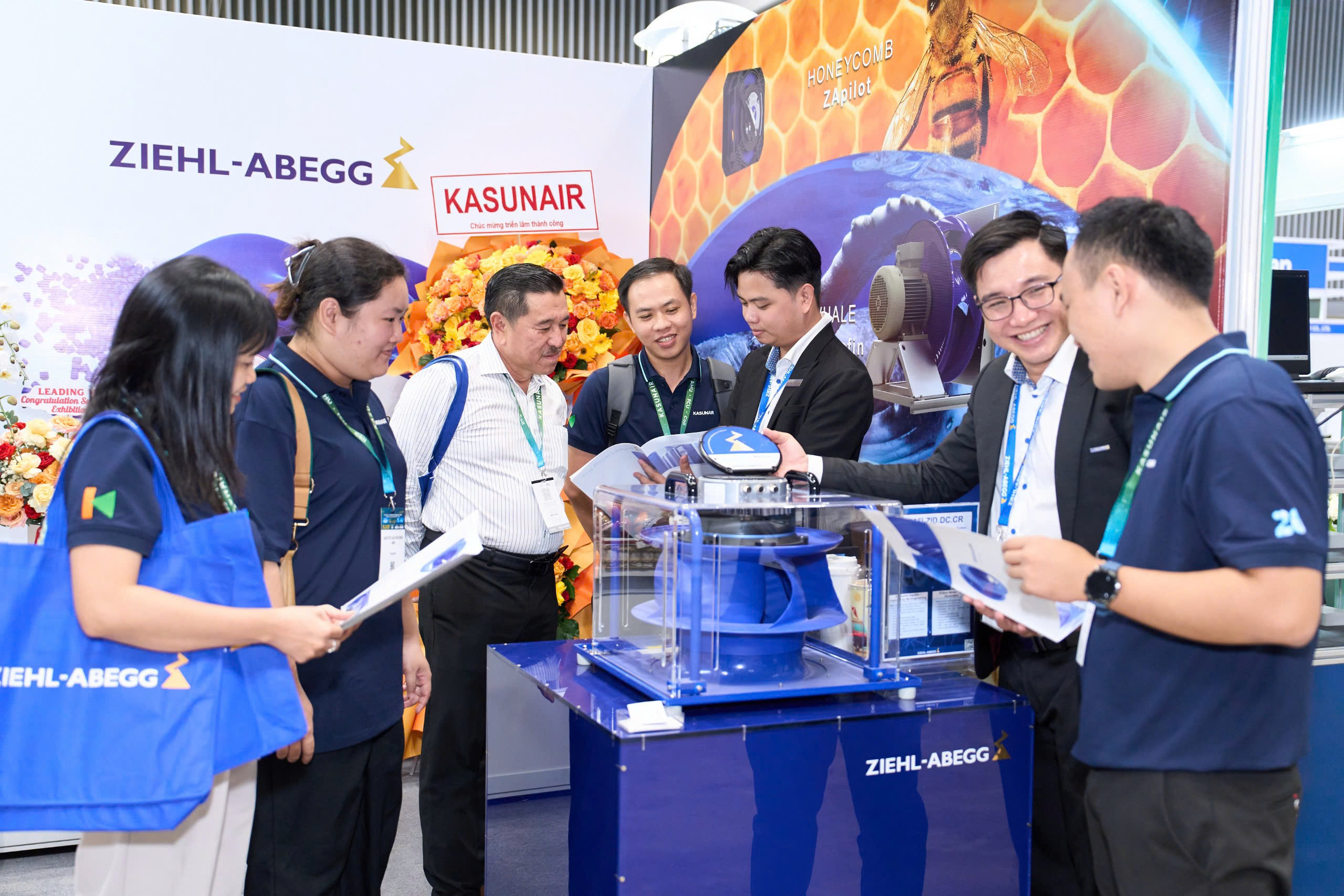
Based on practical experience at Vietnam Energy Week and HVACR Vietnam, exhibition success does not come from having a constantly crowded booth. Real value lies in how well companies define their objectives and strategically operate their booth.
To achieve clear ROI from exhibitions, exhibitors should focus on two critical factors.
Identify Target Customers Based on Decision-Making Context
A common mistake is classifying visitors too broadly, such as “energy industry visitors” or “HVACR professionals.” In reality, project owners, operations teams, and distribution partners have very different priorities, concerns, and evaluation criteria.
Rather than trying to speak to everyone, companies should proactively select one or two priority customer groups based on specific business objectives. For each group, the booth message must answer one clear question: what problem does this solution solve for them?
More importantly, that message must be supported by concrete evidence. Technical documentation, reference projects, implementation processes, after-sales services, or proven performance metrics are what move a conversation from “interest” to “worth pursuing.” These elements also provide a solid foundation for effective post-show sales follow-up.
Standardize On-Booth Conversion: From Conversation to Action
Many booths excel at product introduction but lack a clear conversion step. Visitors come, conversations happen, and then nothing follows. Without a defined next step, these interactions are easily forgotten after the exhibition.
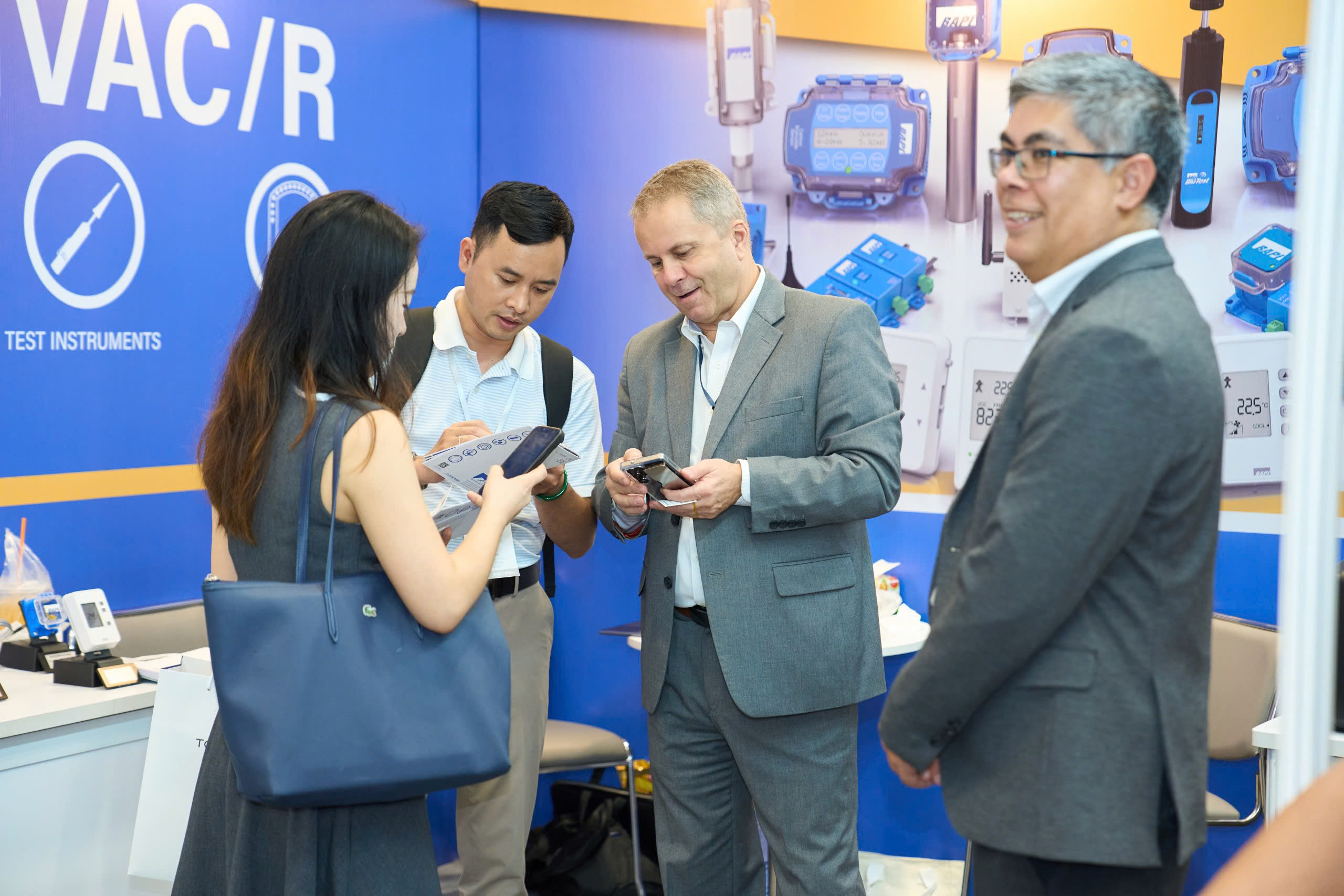
To avoid this, companies should standardize their booth engagement process to be concise and goal-oriented. An effective B2B exhibition conversation typically follows three steps: quickly identifying the visitor’s role and needs, clearly presenting one problem – one solution – one proof point, and confirming the next step on the spot.
That next step may be a technical meeting, a site survey, a proposal submission, or a direct handover to the project team after the show. When every interaction has a clear outcome, the collected data becomes far more valuable, enabling the sales team to follow up with focus rather than dealing with fragmented information.
The Role of Specialized Exhibition Platforms
Beyond company preparation, the exhibition platform itself plays a crucial role in optimizing results. Pre-, during-, and post-show communications, targeted matchmaking programs, and structured data collection systems help companies reduce reliance on random foot traffic and concentrate on the most relevant customer segments.
In the Energy and HVACR sectors, where purchasing decisions are closely tied to projects and technical trust, meeting the right people and capturing actionable data after the show is far more important than booth crowd size. Exhibitions deliver real value only when companies appear at the right time, in the right industry context, and in front of customers with genuine investment needs.
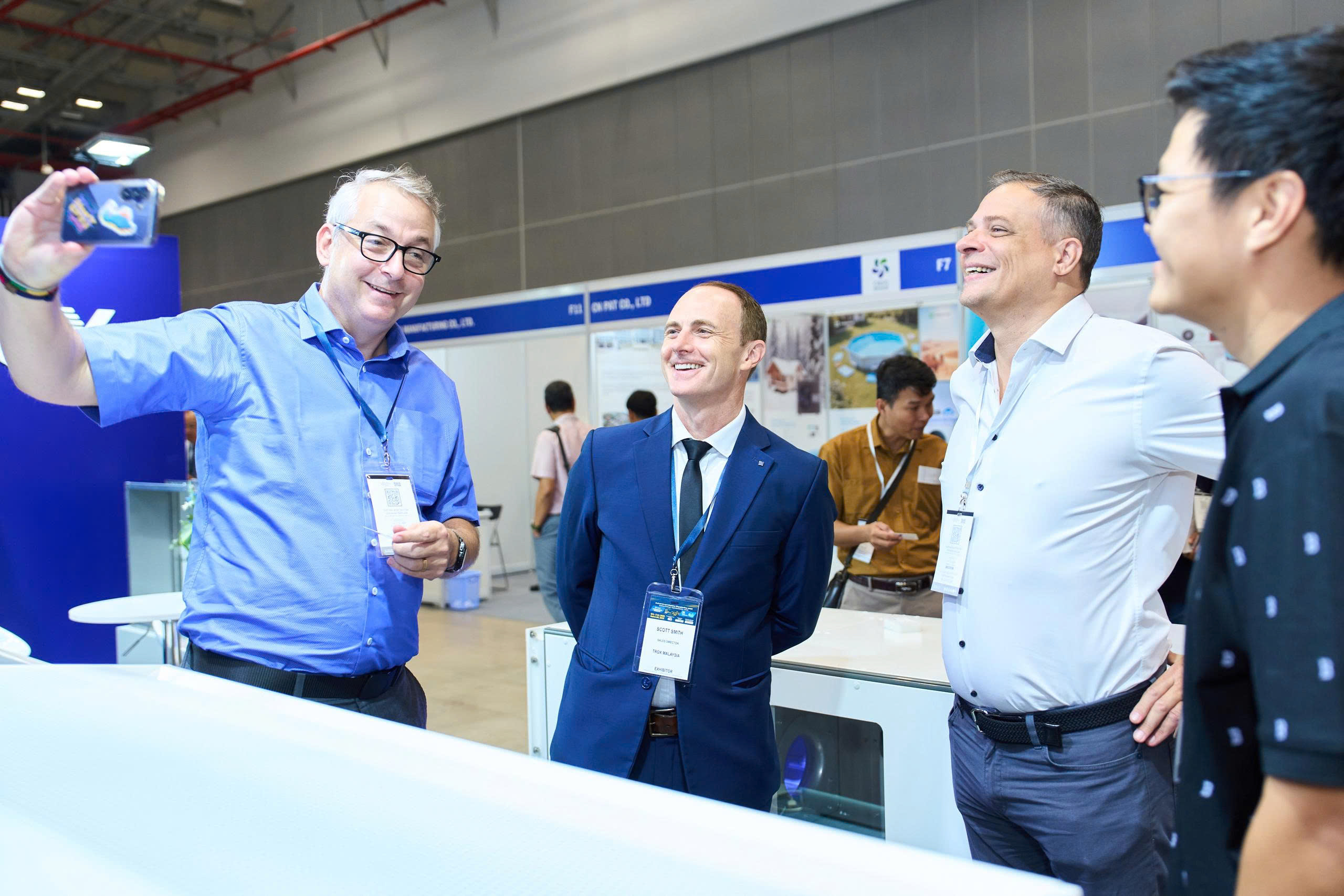
Vietnam Energy Week 2026: A Strategic Platform for Sustainable Growth
This is why Vietnam Energy Week 2026 is increasingly viewed by many companies as a strategic meeting point during a period of accelerated investment in energy and technical infrastructure. Taking place from 4–6 November 2026 at SECC, Ho Chi Minh City, the exhibition is designed as a specialized B2B platform where companies not only showcase solutions but also directly engage with investors, contractors, operators, and technology partners within a single, focused environment.
When approached with the right preparation, exhibiting at Vietnam Energy Week 2026 goes beyond three days of brand exposure. It becomes the starting point for high-quality conversations, long-term project relationships, and sustainable growth strategies for companies in the Energy and HVACR industries.